

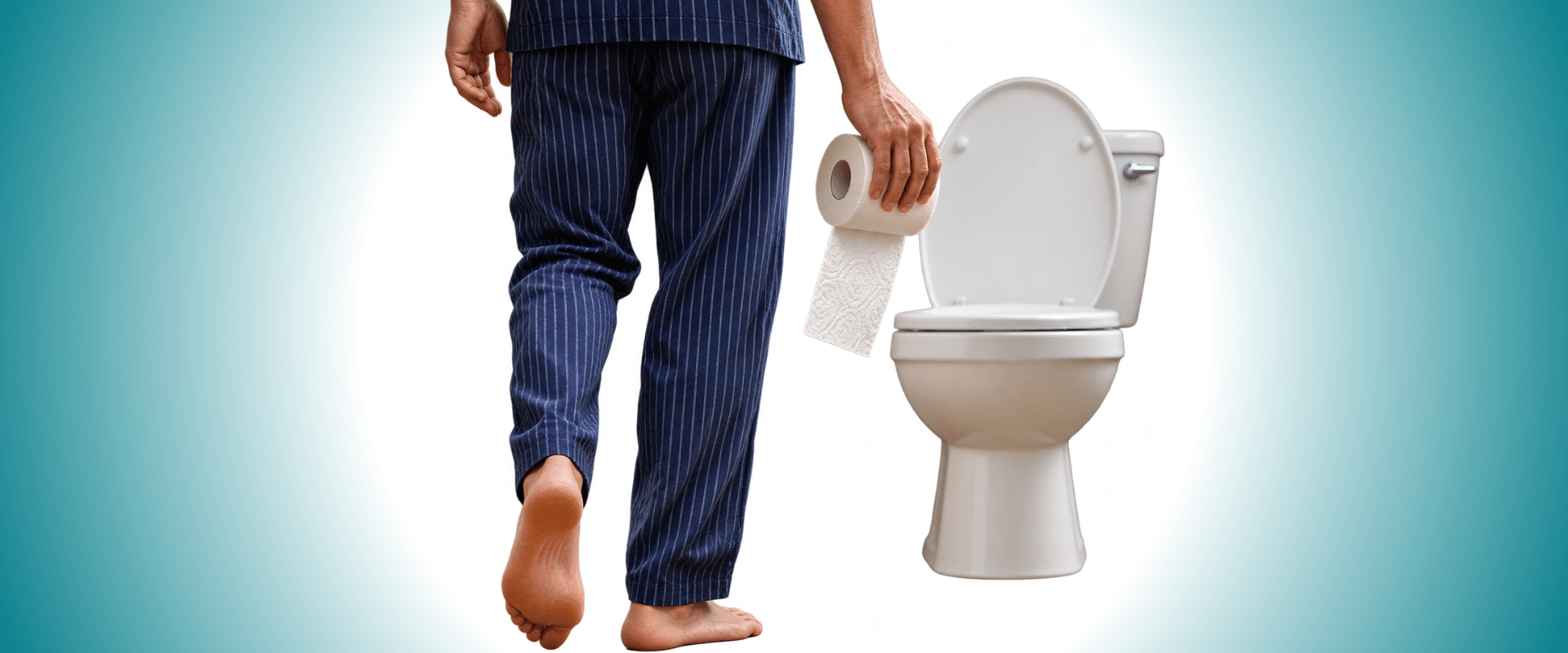
Imagine sitting through a meeting, enjoying a long drive, or trying to get a full night’s sleep. Suddenly, you feel an urgent need to use the bathroom. You go, return to what you were doing, and before long, the feeling comes back.
For someone with an overactive bladder, this can become part of everyday life.
It is easy to blame the problem on drinking too much water or having one extra cup of coffee. Sometimes, these habits do make symptoms worse. But there can be more to the story.
The bladder, its muscles, and the nerves controlling it all need to work together. When something interrupts this process, you may experience frequent urination, sudden urgency, or urine leakage.
So, is your diet responsible, are your daily habits making things worse, or is an underlying medical condition involved? Let’s look at what may actually be happening.
What Is Happening Inside Your Bladder?
Your bladder is designed to store urine until you are ready to use the bathroom. As it fills, the bladder wall stretches and sends signals to the brain. The brain decides when it is appropriate to empty it.
A muscle called the detrusor muscle controls this process. It stays relaxed while the bladder stores urine and contracts when you urinate.
With overactive bladder (OAB), the bladder may send signals of urgency too early or the detrusor muscle may contract involuntarily. This creates a sudden need to urinate, even when the bladder is not full.
The condition can cause:
- Frequent urination: Needing to use the bathroom repeatedly throughout the day.
- Urgency: A strong urge that is difficult to postpone.
- Urge incontinence: Leaking urine before reaching the toilet.
- Nocturia: Waking up during the night to urinate.
Some people experience urgency without leakage, while others struggle with both.
OAB affects men and women and becomes more common with age. However, it is not a normal part of ageing, and persistent symptoms deserve medical attention.
Is Your Diet Making Your Bladder More Sensitive?
Before assuming that something is medically wrong, look at what you drink and eat every day.
Certain foods and beverages can irritate the bladder or increase urine production. This does not mean they cause OAB, but they may make existing symptoms harder to manage.
Caffeine is one of the first things worth checking.
Coffee, tea, energy drinks, and caffeinated sodas can increase urine production. For someone already experiencing urgency, this may mean more bathroom visits and less control over when they need to urinate.
Other possible triggers include:
| Food or drink | Why it may trigger symptoms |
|---|---|
| Coffee and tea | Caffeine can increase urination and urgency |
| Alcohol | May increase urine production |
| Fizzy drinks | Can aggravate symptoms in sensitive individuals |
| Citrus fruits | Oranges, lemons, and grapefruit may cause irritation |
| Tomatoes | Acidic tomato products may worsen symptoms |
| Spicy foods | Chilli and hot peppers may trigger discomfort |
| Chocolate | Contains caffeine-related compounds |
| Artificial sweeteners | May affect some people with bladder sensitivity |
Not everyone reacts to these foods in the same way. You do not need to remove everything from your diet.
Instead, pay attention to what happens after eating or drinking something. If urgency repeatedly increases after coffee, for example, reducing your intake may be a sensible first step.
What Should You Eat Instead?
There is no special diet that cures an overactive bladder. However, choosing balanced meals and avoiding personal triggers can make symptom management easier.
Try including foods such as:
- Bananas, apples, and pears: Generally well-tolerated, low-acid fruit options.
- Cucumber, carrots, and broccoli: Vegetables that support a balanced diet.
- Oats and whole grains: Provide fiber and help prevent constipation.
- Chicken, fish, and eggs: Useful sources of protein.
- Beans and lentils: Support bowel health through their fiber content.
- Olive oil and nuts: Provide healthy fats.
Why does constipation matter?
Because the bowel and bladder sit close together. When constipation develops, pressure around the bladder can increase and make urinary symptoms worse.
Eating enough fiber, drinking adequate water, and staying physically active can help maintain regular bowel movements.
A Mediterranean-style diet is a reasonable choice for general health, although it should not be presented as a specific OAB treatment.
The Habits You Might Not Realise Are Affecting Your Bladder
Diet is only one part of the picture. Some everyday habits can also contribute to urinary problems.
Drinking too little water
Some people deliberately reduce water intake because they are tired of visiting the bathroom. Unfortunately, this can make urine more concentrated, potentially irritating the bladder.
The aim is not to drink as little as possible. It is to maintain an appropriate fluid balance.
Drinking too much water at once
Large amounts of water in a short period can fill the bladder quickly. Spreading fluid intake throughout the day may be more comfortable.
Going to the bathroom too frequently
Visiting the bathroom every time you feel even a slight urge can sometimes reinforce frequent urination habits.
Bladder training helps address this pattern by introducing a planned bathroom schedule and gradually increasing the intervals.
Ignoring constipation
Poor bowel habits can increase pressure around the bladder. Managing constipation may help reduce an additional source of urinary discomfort.
Being overweight
Excess weight can increase pressure on the pelvic floor and contribute to urinary incontinence. Maintaining a healthy weight may improve bladder-related symptoms.
Could Something Else Be Causing Your Symptoms?
This is where it becomes important not to assume that every case of frequent urination is OAB.
Several medical conditions can produce similar symptoms.
1. Diabetes
Diabetes can cause frequent urination because high blood glucose levels increase urine production. Over time, nerve damage associated with diabetes may also affect bladder control and emptying.
2. Urinary Tract Infection
A UTI can make the bladder feel irritated, creating urgency and frequent urination. Burning, discomfort, and cloudy urine may also occur.
Unlike chronic OAB, an infection often causes a more sudden change in urinary symptoms.
3. Enlarged Prostate
In men, an enlarged prostate can obstruct urine flow. This may cause a weak stream, difficulty starting urination, and incomplete bladder emptying.
It can also contribute to nighttime urination and urgency.
4. Hormonal Changes
After menopause, lower estrogen levels can affect the tissues surrounding the bladder and urethra. Some women experience increased urgency, frequency, and urinary leakage.
5. Neurological Conditions
The brain and bladder communicate through nerves. Conditions such as stroke, multiple sclerosis, Parkinson’s disease, and spinal cord injuries can interrupt these signals.
Sometimes, however, there is no identifiable cause. This is known as idiopathic OAB.
How Can You Work Out What Is Triggering Your Symptoms?
Instead of guessing, start keeping a bladder diary.
For three or more days, record when you drink, what you eat, how often you urinate, and whether you experience sudden urgency or leakage.
For example, you might notice that urgency increases after your afternoon coffee or that you wake up more frequently after drinking large amounts of water before bedtime.
These patterns can help your urologist understand your symptoms.
You can also try removing one suspected food trigger temporarily and reintroducing it later. Avoid changing your entire diet at once, as this makes it difficult to identify the actual cause.
Fluid requirements differ between individuals. Around 64 ounces (1.9 litres) is sometimes used as a general reference, but it is not a universal target. Climate, activity, medical conditions, and medication all influence how much water you need.
Can Bladder Training Actually Help?
Yes. Bladder training is one of the recommended first approaches for managing OAB.
The idea is to help your bladder follow a more predictable schedule rather than responding immediately to every small sensation.
Start by recording your usual bathroom intervals. If you normally urinate every hour, your healthcare provider may suggest gradually extending that interval by 10 to 15 minutes.
Over several weeks, you can work towards longer intervals if your symptoms allow.
Another useful approach is pelvic floor training.
Kegel exercises involve tightening and relaxing the muscles that support the bladder. These muscles help control urine leakage and urinary function.
However, not everyone needs stronger pelvic floor muscles. Some people have overly tight muscles, so a pelvic floor physiotherapist can help determine which exercises are appropriate.
Consistency matters. Bladder training and pelvic floor exercises may take six to eight weeks or longer to produce noticeable results.
When Are Medications or Medical Procedures Needed?
If lifestyle changes and bladder training do not provide enough relief, your urologist may recommend medication.
Antimuscarinic medicines such as oxybutynin, solifenacin, and tolterodine reduce unwanted bladder contractions. Common side effects include dry mouth and constipation.
Another option is a beta-3 agonist such as mirabegron, which relaxes the bladder muscle during urine storage. Blood pressure monitoring is important because mirabegron can increase blood pressure.
For persistent symptoms, other treatments may be considered.
Botox injections relax the bladder muscle and can reduce urgency. However, they may cause temporary difficulty emptying the bladder.
Sacral nerve stimulation and percutaneous tibial nerve stimulation (PTNS) use electrical stimulation to influence the nerve pathways involved in bladder control.
Not everyone needs these treatments. The choice depends on symptom severity, medical history, and response to earlier treatment.
How Does a Urologist Diagnose Overactive Bladder?
Diagnosis usually starts with a discussion about your urinary habits, symptoms, medications, and medical history.
A urine test can help rule out infection. A physical examination may identify prostate or pelvic problems, while a bladder diary provides information about urinary frequency and fluid intake.
Additional investigations may include:
| Investigation | What it checks |
|---|---|
| Urinalysis | Infection and blood in urine |
| Bladder ultrasound | Urine remaining after bladder emptying |
| Uroflowmetry | Speed and pattern of urine flow |
| Urodynamic testing | Bladder pressure and storage function |
| Cystoscopy | Inside of the bladder and urethra |
Advanced testing is not necessary for every patient. Your urologist will recommend it when there is a specific clinical reason.
When Should You See a Urologist?
If you regularly experience sudden urgency, frequent urination, nighttime waking, or urine leakage, do not assume it is simply because you drink too much water.
Arrange an assessment if these symptoms persist or interfere with your daily routine.
Blood in your urine, fever, painful urination, or persistent pelvic pain also require prompt medical attention. Inability to pass urine requires emergency care.
An accurate diagnosis helps distinguish OAB from infections, prostate problems, urinary retention, and other bladder conditions.
Frequently Asked Questions
Can overactive bladder go away naturally?
Some symptoms improve when contributing factors such as caffeine, constipation, or infection are addressed. Persistent OAB may require bladder training, medication, or other treatment.
Does coffee make OAB worse?
It can. Caffeine may increase urine production and urgency. Reducing coffee intake is a useful step if you notice a connection.
How many times should I urinate daily?
Many adults urinate around six to eight times daily, but this varies with fluid intake, medication, and individual bladder capacity.
Is overactive bladder more common in women?
OAB affects both sexes. Pregnancy, childbirth, and menopause can contribute to urinary symptoms in women, while prostate enlargement can contribute to symptoms in men.
Final Thoughts
Overactive bladder is not always caused by what you eat or drink. Sometimes, caffeine, alcohol, constipation, and poor fluid habits make symptoms worse. In other cases, diabetes, neurological conditions, hormonal changes, or prostate problems may be involved.
The best starting point is to understand your urinary pattern rather than making random dietary changes.
A bladder diary, appropriate fluid intake, bladder training, and pelvic floor assessment can help. If symptoms continue, a urologist can investigate the cause and discuss suitable treatment options.
At Urologic Health Dubai, patients can seek professional assessment for bladder control problems and other urinary conditions. Getting the right diagnosis is the first step towards managing symptoms and improving everyday comfort.
This article is for educational purposes and does not replace professional medical advice.