

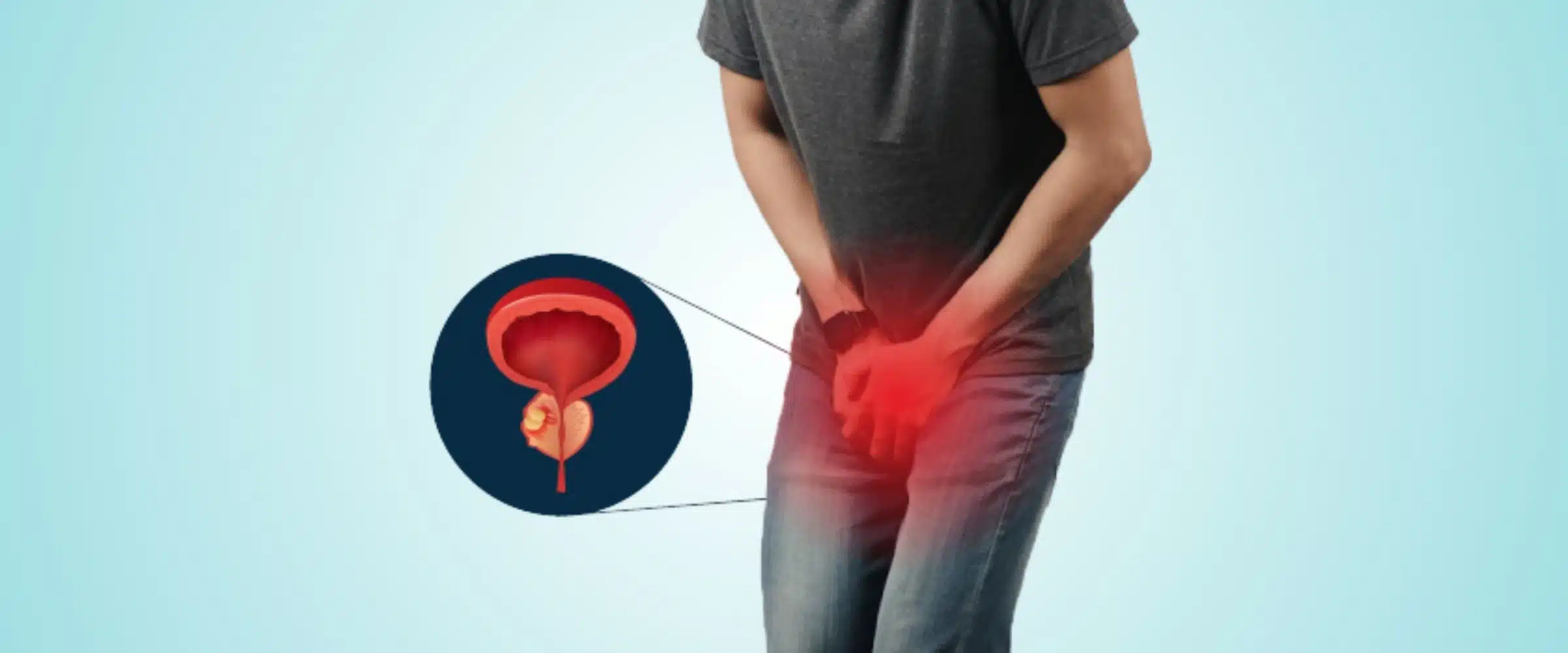
Summary: Prostate Health does not stay the same throughout life. In your 20s, the prostate is usually small, quiet, and about walnut size. By 40, subtle prostate changes may begin. By 60, the chance of aging prostate issues such as BPH, inflammation, and, in some men, prostate cancer clearly increases. Because this small gland sits below the bladder, in front of the rectum, and wraps around the urethra, even minor enlargement can affect the tube that carries urine through the penis.
The result can be frequent bathroom trips, a sudden urge to urinate, waking at night, a weak stream, difficulty starting, or a feeling that you still need to pee. The good news is that many problems can be identified early with the right tests, a careful physical exam, urinalysis, a digital rectal exam, and sometimes a prostate-specific antigen or PSA test. A skilled urologist, a doctor who specializes in diagnosing and treating diseases of the urinary system and reproductive organs in males and females, can usually tell the difference between common benign conditions and serious disease.
Why the prostate matters more than most men realize
The prostate is a small gland in the male reproductive system. Its job is to make part of semen, the white, milky fluid that helps carry and protect sperm when a man ejaculates. Even though it starts around walnut size, it sits in a location where small changes can create big inconvenience. It rests just below the bladder, in front of the rectum, and surrounds the urethra, the narrow tube that carries urine out through the penis. That is why even a benign increase in prostate size can change urinary flow.
A lot of confusion comes from the fact that the same area can produce very different disorders. A man may have inflammation, noncancerous enlargement, infection, or cancer, and several of those problems can share overlapping symptoms. That is why self-diagnosis is usually trash. The symptom tells you there is a problem. It does not tell you which problem.
How prostate health changes across the decades
Here is the simplest way to understand aging prostate patterns.
| Age range | What usually happens | What to watch for |
|---|---|---|
| 20s to 30s | The prostate is usually stable and near walnut size | Pain, infection, pelvic discomfort, urinary burning |
| Around 40 | Early prostate changes may begin in some men | Mild slowing of stream, occasional urgency |
| 50s to 60 and beyond | Enlargement becomes more common and cancer risk rises with age | Night urination, frequent urgency, weak stream, incomplete emptying, blood |
This pattern matters because the common prostate problem changes with age. Prostatitis is more common in younger men, while BPH is the most common prostate issue in older men, especially after 50. The risk of prostate cancer also rises with age.
Think of it visually like this: a younger prostate is closer to a walnut. As some men get older, the gland can move closer to lemon size. That does not automatically mean cancer. It usually means growth that may or may not become bothersome.
What is prostatitis?
Prostatitis means inflammation of the prostate. It is a benign condition, but it can still hit hard. It is one of the most common urinary problems in younger men, especially under 50, and it affects a large number of men at some point in their lives. It may also raise the PSA level, which is one reason doctors do not jump to conclusions from one lab result alone.
There are several types. Acute bacterial prostatitis is usually caused by an infection, is the least common form, and symptoms may begin suddenly and get worse quickly. A man may develop fever, chills, body aches, nausea, vomiting, burning while urinating, a frequent, sudden, or urgent need to go, difficulty passing urine, a weak stream, and pain in the lower belly, abdomen, groin, genitals, or lower back. In severe cases, it may block the urinary tract, making someone unable to urinate, which needs urgent care.
Chronic bacterial prostatitis can look similar but is usually less severe and may come and go slowly over months, often with UTIs that keep coming back. Chronic prostatitis or chronic pelvic pain syndrome is diagnosed when pain lasts at least three months. Some men feel it in the genital area, during urinating, or after ejaculation. An asymptomatic inflammatory form may cause no symptoms at all and may be found during testing for infertility or other conditions.
What is benign prostatic hyperplasia (BPH)?
Benign prostatic hyperplasia, or BPH, means an enlarged prostate caused by overgrowth of prostate tissue. The name matters. Benign means it is not cancer. Hyperplasia means an increased number of cells in the gland. As the prostate grows, it can push on the urethra and affect the bladder, creating classic urinary symptoms.
Common signs include needing to urinate more often, especially at night, having to strain before the urine stream begins, feeling the bladder has not fully emptied, a strong or sudden urge, a weak, slow, or dribbling stream, and trouble stopping or starting. Some men also notice pain with ejaculation or even blood in the urine, although blood always deserves proper evaluation rather than guesswork. BPH is one of the biggest reasons older men book an appointment with a urologist. It does not increase the risk of prostate cancer, but untreated obstruction over time can lead to bladder weakness, infections, stones, retention, and, in severe cases, kidney damage.
Treatment depends on symptom burden, prostate size, overall health, and patient preference. Some men with mild symptoms improve by drinking less fluid close to bedtime and reducing alcohol and caffeine. Others need medicines such as alpha-blockers, which relax nearby muscles, or 5-alpha reductase inhibitors, which can shrink the gland over time. When symptoms are severe or medication fails, a doctor may recommend minimally invasive procedures or surgery. “Natural” or herbal fixes are not automatically safe. Some are useless. Some can even complicate care.
What is prostate cancer?
Prostate cancer happens when abnormal cells form in the tissues of the prostate. The risk factors that matter most include getting older, especially after 50 years, and family history in a first-degree relative such as a father, brother, or son. Some inherited gene changes, including BRCA1, BRCA2, and Lynch syndrome, can also increase risk.
In early-stage disease, many men have no symptoms at all. When symptoms do appear, they can include urinary problems, blood in the semen or urine, and persistent pain in the back, hips, or pelvis. That is why screening is a shared decision, not a one-size-fits-all command. For men ages 55 to 69, the CDC says the decision to get screened with a PSA test should be individual and discussed with a clinician.
Men 70 and older should not be routinely screened. If cancer is diagnosed, treatment options may include watchful waiting, active surveillance, surgery, radiation therapy, hormone therapy, chemotherapy, targeted therapy, immunotherapy, or clinical trials, depending on stage and overall health.
Growing problem of enlarged prostate gland
One of the most important prostate changes with age is simple enlargement. That is the growing problem most men eventually notice first. A man may start with a walnut-sized gland and later move toward something closer to a lemon in overall bulk. Because the gland sits below the bladder and around the urethra, that extra pressure makes it harder to pass urine cleanly. This is why some men have difficulty beginning, a start-stop flow, dribbling afterward, or the feeling that the bladder never emptied. Over time, retained urine can increase the chance of infection and create sleep disturbance because the person wakes repeatedly at night.
A lot of men ignore this stage because it feels embarrassing rather than dangerous. That is dumb. Early evaluation is easier, cheaper, and less disruptive than waiting until you cannot pass urine.
Prostate volume changes over time
Research shows prostate growth is not identical in every man. Some prostates enlarge steadily, some stay relatively stable, and some change less than expected over time. The broad clinical takeaway is simple: age raises the odds of enlargement, but the speed and severity are highly variable from one man to another. That is why symptoms matter more than assumptions. Two men of the same age can have very different experiences.
How prostate changes as you age
The timeline is gradual, not dramatic. In early adult life, the organ usually works quietly in the background. Around 40, subtle growth may begin. In the late 50s and 60, more men notice urinary symptoms. Those symptoms often include frequent bathroom trips, a sudden urge, getting up at night, pushing to start, and a weak stream. None of those symptoms automatically means cancer, but all of them deserve proper attention if they are persistent.
A quick symptom table that patients actually find useful
| Symptom | More often linked with | Why it happens |
|---|---|---|
| Frequent need to pee | BPH, irritation, infection | Bladder and outlet irritation |
| Sudden urge to go | BPH, prostatitis | Outlet pressure or inflammation |
| Waking at night | BPH | Incomplete emptying or irritation |
| Burning or pain | Prostatitis, infection | Inflammation or bacterial cause |
| Weak stream | BPH | Urethra gets compressed |
| Blood in urine or semen | Needs medical review | Infection, stones, inflammation, or cancer |
From prostatitis to BPH: what changes after midlife
In younger men, inflammation and pelvic pain syndromes are more common. After 50, enlargement becomes the headline issue. That does not mean prostatitis disappears. It means the balance shifts. Some older men can even have more than one issue at the same time, such as BPH plus recurrent infection. That overlap is why a proper diagnosis matters. A man can have pain, urinary urgency, and a raised PSA without having cancer. He can also have early cancer with very few symptoms.
Aging changes in male reproductive system
Aging affects more than one organ. The male reproductive system changes gradually over time, and the prostate is only one part of that picture. Sexual response may slow, ejaculation may feel different, and urinary function can change because the gland and surrounding muscles are involved in both ejaculation and urine flow. That is why some men describe both urinary and sexual symptoms together. It is not always separate. Anatomy connects the story.
Prostate health for senior men
For senior men, the goal is not panic. It is pattern recognition. Know the warning signs. Book evaluation earlier. Protect sleep, bladder function, and quality of life. The men who do best are usually not the ones with perfect genetics. They are the ones who stop ignoring symptoms.
How doctors diagnose prostate problems
A urologist is a doctor who specializes in diagnosing and treating diseases of the urinary organs in males and females, plus the male reproductive organs. When prostate symptoms show up, the workup often starts with history and a physical exam. Depending on the case, the clinician may order tests such as urinalysis, blood work, a prostate-specific antigen or PSA test, urine flow testing, imaging, or a biopsy if cancer is a concern.
A digital rectal exam helps assess the gland through the rectum. A high PSA level can be caused by cancer, but it can also rise with BPH or prostatitis. Some factors, including inflammation, infection, or even activities such as bike riding, may affect PSA interpretation in certain cases, which is why timing and clinical context matter.
When to see a urologist right away
Do not delay medical care if you have any of the following:
- inability to pass urine
- fever with pelvic or urinary symptoms
- visible blood in urine
- severe pain
- new burning with worsening urinary symptoms
- pelvic pain plus painful ejaculation or blood in semen
Those are not “wait and see” moments. Those are “get checked” moments.
Practical ways to support prostate health as you age
No lifestyle plan can guarantee prevention, but some habits clearly support better men health outcomes.
Eat well, stay active, keep weight under control, reduce smoking, moderate alcohol, and do not ignore lower urinary tract symptoms. Also, do not overload yourself with random supplements because a friend, influencer, or label promised miracles. Real care starts with a real diagnosis. Screening discussions should be individualized, especially for men between 55 and 69.
Final thoughts
Prostate Health changes with time, but decline is not something you just have to accept blindly. In your 20s, the prostate is usually quiet and walnut sized. Around 40, subtle prostate changes may start. By 60, the chance of prostate enlargement, inflammation, and cancer screening decisions becomes more relevant. The biggest mistake men make is assuming every symptom is either “normal aging” or “definitely cancer.”
Both assumptions are bad. The smart move is faster: understand the symptoms, get the right tests, and let a qualified urologist sort out what is benign and what needs treatment.
For patients looking for expert evaluation, Urologic Health Dubai offers specialist-led assessment for prostate symptoms, screening discussions, and treatment planning with a patient-first approach.