

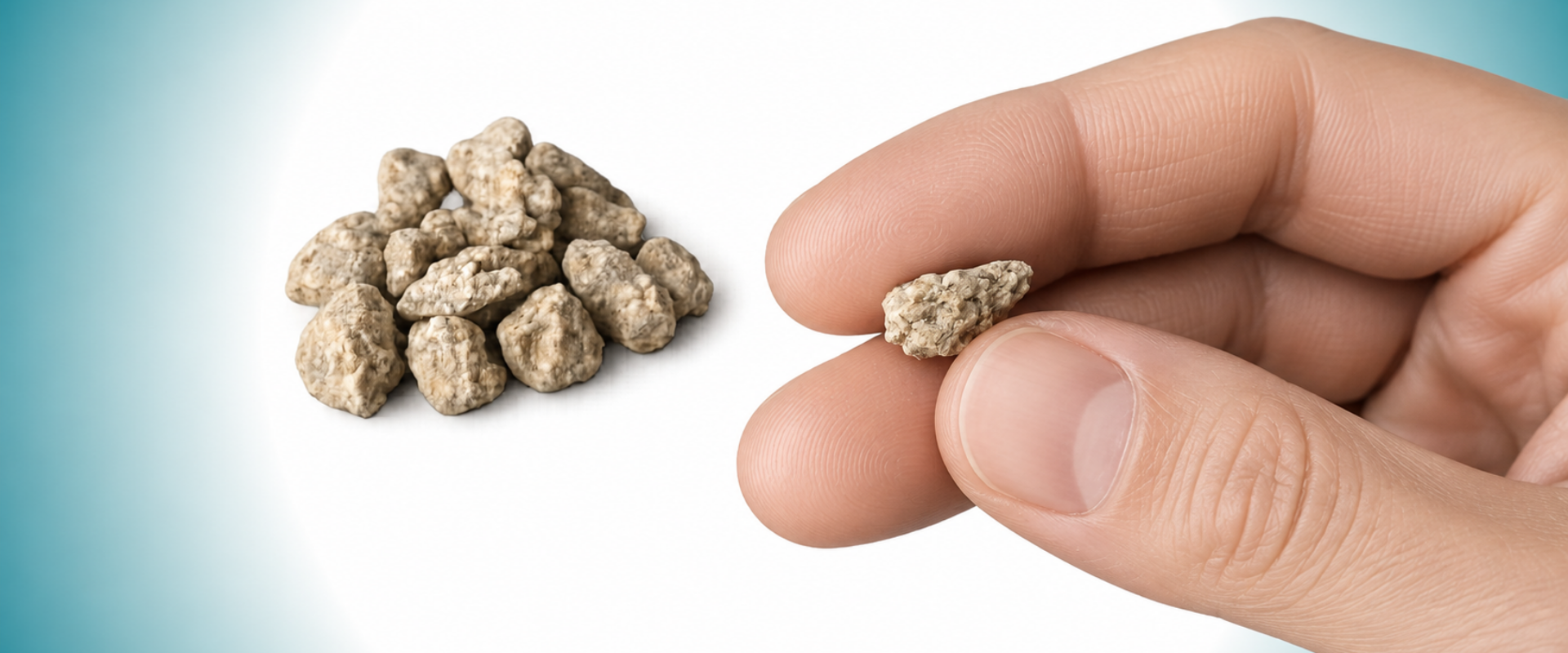
Kidney stones are one of those health problems that can seem minor until the pain suddenly starts. A person may feel perfectly well for months and then experience intense pain in the side, back or lower abdomen that makes it difficult to sit still.
For people living in Dubai and the wider UAE, understanding the condition is particularly important. Hot weather, sweating and inadequate fluid intake can make dehydration easier, while diet, body weight, family history and certain medical conditions can further increase the risk.
What Are Kidney Stones?
kidney stones are solid masses that develop when crystals form from minerals, acids and salts present in urine. They usually develop inside the kidneys, although stones can move through other parts of the urinary system.
Doctors may also call them renal calculi or nephrolithiasis.
The urinary system has a fairly straightforward job. The kidneys filter waste and excess fluid from the blood and produce urine. Urine then travels through the ureter, a narrow tube that drains urine from each kidney towards the bladder, where it is stored before leaving the body as pee.
What actually happens when a stone forms?
Normally, urine contains enough water and chemical substances to keep minerals dissolved. Problems arise when there is too much of a stone-forming substance, not enough fluid, or a combination of both.
The process can be simplified like this:
| Stage | What happens |
|---|---|
| 1. Concentration | Urine becomes concentrated with stone-forming substances |
| 2. Crystallisation | Minerals begin forming microscopic crystals |
| 3. Growth | Crystals join together and become larger |
| 4. Stone formation | The growing material develops into a stone |
| 5. Movement | The stone may remain in the kidney or move into the ureter |
| 6. Symptoms | Pain or urinary symptoms can occur if it irritates or blocks the urinary tract |
The European Association of Urology recommends assessing the composition of a stone and relevant metabolic factors because knowing what a stone is made of can help guide future prevention.
Kidney Stone Causes
There is rarely one single explanation for why somebody develops a stone. kidney stone causes can involve hydration, diet, genetics, medical conditions and certain medicines.
The central problem is often simple: the urine contains more crystal-forming substances than the available fluid can keep dissolved.
1. Dehydration and concentrated urine
This is one of the most important factors.
When you lose water through sweating, exercise, vomiting, diarrhoea or simply drinking too little, urine becomes more concentrated. Substances such as calcium, oxalate and uric acid can then reach concentrations at which they begin to crystallize and stick together.
In Dubai, this deserves particular attention. A person can drink what feels like a reasonable amount of water while still losing significant fluid through sweating during hot weather.
2. Diet
Diet can influence stone formation, although the relationship is more complicated than simply saying that one particular food “causes kidney stones.”
A diet with a high intake of protein, sodium and sugar can increase risk in susceptible individuals. Diets rich in animal proteins, including beef, poultry, pork, eggs and some fish, can contribute to higher urinary uric acid and other changes that may promote stones.
High salt intake is particularly relevant because urinary calcium can increase when dietary sodium intake is high.
3. Oxalate-rich foods
Some foods contain significant amounts of oxalate. Examples include oxalate-rich foods such as spinach and chocolate, along with certain nuts and other plant foods.
That does not mean everyone should eliminate spinach, chocolate or every food containing oxalate. Dietary advice should depend on the type of stone and the person’s urinary findings.
4. Family history and genetics
Some people are simply more prone to forming stones.
A family history of kidney stones increases risk. A UAE study involving adults aged 20 to 49 from Dubai, Abu Dhabi, Ajman and Sharjah found that participants with a family history had approximately 2.27 times the risk of reporting kidney stones compared with those without such a history.
Certain genetic factors and genetic conditions can also predispose someone to recurrent stones.
5. Weight and metabolic health
Obesity, increased body mass index, or BMI, and weight gain have all been associated with kidney stone risk.
This is not simply about body size. Metabolic changes associated with obesity and diabetes can alter urinary chemistry, including uric acid and other stone-forming substances.
Conditions such as gout, hyperparathyroidism and other metabolic disorders can also increase risk.
6. Digestive conditions
Certain digestive diseases can affect the way the body absorbs water, calcium and oxalate.
Examples include:
- gastric bypass surgery
- inflammatory bowel disease
- chronic diarrhea
- intestinal absorption problems
Chronic diarrhoea can cause substantial fluid loss and dehydration. Certain intestinal conditions can also increase oxalate absorption, raising the likelihood of calcium oxalate stone formation.
7. Medical conditions
Several conditions can change the chemistry of urine and increase stone risk.
These include:
- hyperparathyroidism
- gout
- diabetes
- obesity
- certain metabolic disorders
- chronic urinary tract infections
- kidney and urinary tract abnormalities
8. Medicines and supplements
Some medications can contribute to stone formation in susceptible people.
Examples can include certain diuretics, calcium-based antacids, some steroids and other medicines that alter urinary chemistry. Excessive or inappropriate use of supplements may also matter.
For example, taking large amounts of vitamin C supplements may increase urinary oxalate in some people.
This does not mean you should stop a prescribed medicine. Medication-related stone risk needs to be discussed with the prescribing doctor.
A quick look at the major causes
| Risk factor | How it can contribute |
| Dehydration | Produces concentrated urine |
| High sodium intake | Can increase urinary calcium |
| High animal protein intake | Can influence uric acid and urine chemistry |
| Obesity | Associated with metabolic changes that promote stones |
| Family history | May indicate inherited susceptibility |
| High oxalate intake | Can contribute to calcium oxalate stones in susceptible people |
| Gout | Can increase uric acid stone risk |
| Hyperparathyroidism | Can increase calcium levels and urinary calcium |
| Digestive disease | May alter fluid and oxalate absorption |
| Recurrent UTIs | Can contribute to infection-related stones |
| Certain medicines | May change mineral or acid levels in urine |
Symptoms of Kidney Stones
A stone can exist without causing symptoms. The trouble often begins when it leaves the kidney and enters the ureter.
Typical symptoms of kidney stones include pain, particularly in the lower back, belly, side or flank pain. The discomfort can spread towards the groin or lower abdomen.
The pain may begin as a dull pain, then become sharp or severe.
Common symptoms include:
- flank pain
- waves of pain or waxing and waning discomfort
- nausea
- vomiting
- bloody pee
- hematuria
- painful urination
- dysuria
- inability to pee
- a frequent urge to urinate
- fever
- chills
- cloudy urine
- foul-smelling urine
Blood may make urine appear pink, red or brown. In some cases, the amount of blood is too small to see without laboratory testing.
When symptoms become urgent
One of the most important points in Kidney Stones Explained is that not every painful stone is an emergency, but some situations are.
A combination of obstruction and infection can become dangerous.
Seek urgent medical attention if you have:
- severe or rapidly worsening pain
- fever or chills
- feeling feverish with flank pain
- vomiting that prevents you from keeping fluids down
- visible blood in urine
- inability to pee
- intense flank pain with urinary symptoms
- a known stone and a new fever
Diagnosis of Kidney Stones
The diagnosis usually starts with the symptoms and a physical examination, followed by imaging, blood tests and urine tests.
A doctor may check for tenderness around the abdomen and lower back, ask when the pain began and determine whether there are symptoms suggesting infection.
Imaging tests
Several imaging methods may be used.
| Test | What it can show |
| Ultrasound | Stones, swelling and urinary obstruction without radiation |
| CT scan | Detailed information about stone size, location and obstruction |
| X-rays | Some types of stones, particularly radiopaque stones |
| CT KUB | Detailed assessment of the kidneys, ureters and bladder |
| IVP/IVU | Older contrast-based method for assessing urinary drainage |
| CT urogram | Detailed urinary tract imaging in selected situations |
A CT scan, particularly a low-dose non-contrast CT scan, is widely used when detailed assessment is required. It is highly effective at detecting kidney stones, measuring their size and identifying obstruction.
Blood and urine testing
A urine sample may be checked for:
- infection
- blood
- pH
- crystals
- white blood cells
- red blood cells
- other abnormalities
A urine culture may be requested if infection is suspected.
Blood tests can assess kidney function and look for abnormalities such as high calcium, abnormal calcium levels, elevated uric acid levels and other metabolic problems.
For recurrent or high-risk stone formers, a 24-hour urine collection can provide much more information about the conditions that encourage stone formation.
Why stone analysis matters
If a patient passes a stone, it is useful to collect it if possible and have it analysed.
Stone composition can help determine whether the stone is primarily calcium oxalate, calcium phosphate, uric acid, struvite, cystine or another type.
Advanced imaging
In selected cases, doctors may use dual energy computerised tomography, which can provide information about stone composition.
Other terms you may encounter include intravenous pyelogram, or IVP, intravenous urography, and CT urogram.
How Much Does Kidney Stone Diagnosis Cost in Dubai?
Healthcare prices vary considerably between hospitals and clinics. Insurance coverage, the type of imaging, physician fees and whether additional tests are required can all affect the final bill.
Indicative private-sector ranges may look like this:
| Diagnostic service | Approximate Dubai/UAE range |
| Consultation | AED 300–800 |
| Basic blood tests | AED 150–500 |
| Ultrasound | AED 250–800 |
| CT scan | AED 1,000–3,500 |
| Urine/metabolic testing | AED 100–500+ |
Kidney Stone Treatment
The right kidney stone treatment depends on several factors:
- stone size
- stone location
- stone composition
- symptoms
- urinary obstruction
- infection
- kidney function
- previous treatment
- overall health
A small stone that is likely to pass safely may need very little intervention. A large obstructing stone or an infected obstructed kidney may require urgent treatment.
1. Conservative management
For selected small stones, conservative management may be appropriate.
This can include:
- increased fluid intake
- pain management
- monitoring
- medication
- follow-up imaging
The goal is to allow the stone to pass the stones naturally when this is considered safe.
2. Pain relief
Pain can be severe during a stone episode.
Doctors may recommend appropriate pain-relief medications such as non-steroidal anti-inflammatory drugs or other medicines depending on the patient’s medical history.
3. Medicines to help stone passage
In selected patients, doctors may prescribe alpha blockers to relax the ureter muscles and potentially improve stone passage.
One commonly used medicine is tamsulosin, sometimes sold under the brand name Flomax.
Other medicines such as nifedipine, sold under brand names including Adalat and Procardia, have also been studied in stone passage, but medication choice should be made by the treating clinician.
4. Extracorporeal Shock Wave Lithotripsy
extracorporeal shock wave lithotripsy, commonly called ESWL or SWL, is a non-invasive treatment that uses focused sound waves or shock waves to break stones into smaller pieces.
The fragments can then pass through the urinary tract.
Success depends on factors such as:
- stone size
- stone location
- stone composition
- stone density
- patient’s body habitus
- anatomy
Some stones may require more than one treatment session.
5. Ureteroscopy and laser treatment
During ureteroscopy, a thin telescope-like instrument called a ureteroscope is passed through the urethra, into the bladder and then into the ureter.
The urologist can identify the stone directly.
With laser lithotripsy, a laser fibre is used to fragment or disintegrate the stone. The resulting fragments can be removed using a small basket, or fine fragments may be allowed to pass naturally.
6. Percutaneous nephrolithotomy
For very large or complex stones, percutaneous nephrolithotomy, or PCNL, may be recommended.
PCNL involves a small incision in the back through which the urologist accesses the kidney directly.
The stone is fragmented and removed through the access tract.
Comparing treatment options
| Treatment | Main approach | Often considered for |
| Observation | Allow natural passage | Selected small stones |
| Medication | Helps symptoms and, in selected cases, passage | Appropriate ureteral stones |
| ESWL/SWL | External shock waves | Selected kidney/ureteral stones |
| URS + laser | Internal scope and laser | Ureteral and many kidney stones |
| PCNL | Direct kidney access | Large or complex stones |
| Open surgery | Larger surgical approach | Rare, selected complex situations |
Modern laser stone surgery is generally preferred over traditional open surgery when appropriate because it can achieve high clearance with less tissue disruption.
Factors That Affect the Cost of Kidney Stone Treatment in the Dubai
Patients often search for one fixed figure, but stone treatment does not work that way.
The stone size, location and complexity are major factors. A straightforward stone suitable for a non-invasive procedure can have a very different cost from a complex stone requiring minimally invasive surgery and hospital admission.
Important cost factors include:
- Stone size and number
Multiple stones or a large stone burden can require more operating time and equipment. - Stone location
A ureteral stone may require a different procedure from a large kidney stone. - Treatment method
ESWL, ureteroscopy and PCNL have different equipment, anaesthesia and facility requirements. - Advanced equipment
Laser systems, specialised scopes, imaging equipment and other technology can influence costs. - Operating duration
More complicated procedures can take longer. - Hospital selection
Prices can differ considerably between hospitals, private facilities and specialty urology centers. - Patient amenities
Room category and other hospital services can affect the final bill. - Doctor’s experience
Doctor’s experience and specialist fees can contribute to the overall cost. - Consultation and testing
The total bill may include consultation fees, blood tests, urine tests and imaging before treatment. - Hospitalisation
Some procedures are day-case treatments, while others may require overnight monitoring. - Follow-up care
Follow-up imaging, stent removal, medication and repeat consultations can add to the total. - Insurance coverage
Insurance may cover medically necessary treatment, but deductibles, co-payments, policy limits and network restrictions vary.
For this reason, a quoted surgical price should ideally clarify whether it includes the surgeon, anaesthetist, operating theatre, hospital stay, imaging, medications, stent and follow-up.
Preventing Kidney Stones
Treating a stone solves today’s problem. Preventing another one addresses the bigger issue.
Stone recurrence is common, which is why dietary counselling, hydration strategies, appropriate fluid intake, regular monitoring and treatment of the underlying cause are important.
Drink enough water
Hydration is the foundation of prevention.
The EAU recommends a fluid strategy that produces more than 2.5 litres of urine per day for many adult stone formers, with water as the preferred fluid.
In Dubai, fluid requirements can be higher when a person is sweating heavily.
Reduce excessive salt
A high-salt diet can increase urinary calcium.
Reducing processed food, salty snacks, fast food and heavily salted meals can therefore be useful.
Be sensible with animal protein
A diet containing excessive animal protein can contribute to urinary changes associated with uric acid and some calcium stones.
This does not mean becoming vegetarian. The goal is usually moderation and a balanced diet.
Do not automatically eliminate calcium
This is an area where patients sometimes receive confusing advice.
A normal dietary intake of calcium is generally recommended unless a doctor has identified a specific reason to restrict it. In calcium oxalate stone formers, dietary calcium can bind oxalate in the digestive tract and reduce its absorption.
Calcium supplements and calcium-containing antacids are different questions and should be discussed with a healthcare professional.
Watch excessive oxalate intake when appropriate
If testing shows high urinary oxalate, dietary changes may be recommended.
Foods that may need moderation include:
- spinach
- rhubarb
- wheat bran
- tree nuts
- peanuts
- chocolate
- beetroot
The important point is moderation rather than creating an unnecessarily restrictive diet.
Limit sugar and sugary drinks
High consumption of added sugars can contribute to metabolic and urinary changes associated with stone risk.
Reducing sugary foods, sweetened drinks and excessive carbonated drinks can be part of a healthier overall diet.
Maintain a healthy weight
A healthy weight can help reduce several metabolic risk factors associated with stones.
Regular physical activity, sensible calorie intake and a balanced diet are useful not only for stone prevention but also for cardiovascular and metabolic health.
Prevention after a stone
For someone with recurrent stones, prevention may involve:
- follow-up consultations
- repeat imaging
- stone analysis
- 24-hour urine testing
- blood testing
- preventive medications
- dietary counselling
- targeted lifestyle changes
The EAU recommends individualised metabolic evaluation and follow-up, particularly for patients at higher risk of recurrence.
What Should a Kidney Stone Diet Look Like?
There is no single universal kidney stone diet because different stones have different causes.
A sensible starting point for many people is:
| Focus | Practical approach |
| Water | Drink enough to maintain good urine output |
| Salt | Reduce excessive sodium |
| Calcium | Maintain normal dietary calcium unless advised otherwise |
| Protein | Avoid excessive animal protein |
| Sugar | Reduce foods and drinks high in added sugar |
| Oxalate | Moderate high-oxalate foods when medically appropriate |
| Fruit and vegetables | Include a broad variety |
| Processed food | Limit heavily processed, high-sodium options |
For recurrent stone formers, personalised dietary advice is much more useful than following a generic internet list.
Why Kidney Stones Are Common in the UAE
The UAE presents a particularly relevant environment for stone prevention.
The hot climate increases dehydration risk, particularly for people who spend significant time outdoors. Sweating causes fluid loss, and if that loss is not replaced, urine becomes more concentrated.
A UAE study of adults aged 20–49 in Dubai, Abu Dhabi, Ajman and Sharjah highlights the relevance of lifestyle, diet and environmental factors while also showing that knowledge of dietary precautions can be limited.
A practical Dubai example
Consider someone who spends several hours outdoors during summer, sweats heavily and drinks very little water because they are busy.
They may not immediately feel dehydrated.
However, the body is losing fluid. The kidneys continue concentrating urine, and the concentration of stone-forming substances rises.
Risk Factors of Kidney and Urinary Stone Disease
Some people have a substantially higher risk than others.
Important risk factors of kidney and urinary stone disease include:
- cysteine abnormalities
- high urinary oxalate
- elevated uric acid
- family history
- excess vitamin D
- renal tubular acidosis
- medullary sponge kidney
- IBS
- gastric bypass surgery
- cystic fibrosis
- hyperthyroidism
- insufficient water intake
- excess salt
- abnormal urinary calcium
- a large waist size
- weight gain
- diabetes
- gout
- high blood pressure
- hypertension
- hypercalciuria
- inflammatory bowel disease
- IBD
- kidney cysts
- obesity
- osteoporosis
- parathyroid disease
- primary hyperoxaluria
- hemiplegia
- paraplegia
- paralysis
- hydronephrosis
- pyelonephritis
- acute kidney injury
- kidney failure
- chronic urinary tract infections
- chronic kidney disease
- CKD
What Is a Kidney and Urinary Stone?
A kidney stone is essentially a collection of solid build-ups formed from hard crystals, minerals, proteins or salts that become deposited in the urinary system.
They most often develop in the kidneys, where concentrated urine allows minerals to crystallise.
Some remain inside the kidney. Others begin passing down the ureter.
The important distinction is between a stone that is sitting quietly and one that is causing blockage.
How Long Can a Kidney Stone Stay in the Kidney?
There is no single timeline.
A stone can remain in the kidney without causing symptoms and may be discovered incidentally during an ultrasound or CT scan.
A stone that enters the ureter is different. Passage depends on its size, shape and location.
Some small stones pass naturally. Others become stuck.
When Should You See a Urologist in Dubai?
You should consider seeing a urologist if you have:
- recurring flank or abdominal pain
- blood in the urine
- a confirmed kidney stone
- recurrent urinary infections
- a stone that has not passed
- repeated kidney stones
- an abnormal ultrasound or CT
- a family history combined with recurrent stones
- reduced kidney function
- symptoms suggesting urinary obstruction
A urologist can also look beyond the immediate stone and ask an important question:
Why did this stone form in the first place?
That question becomes especially important if stones keep returning.
What I Consider Most Important About Kidney Stone Care
From an evidence-based urology perspective, one of the biggest mistakes is treating the stone as an isolated event.
The pain may disappear after the stone passes, but the tendency to form stones can remain.
A patient who has had one stone may benefit from understanding hydration and diet. Someone who has had repeated stones may need a much more detailed metabolic assessment.
Likewise, not every stone needs surgery.
Frequently Asked Questions
Are kidney stones always painful?
No. A stone may remain inside the kidney without causing noticeable symptoms. Pain often begins when the stone moves into the ureter or interferes with urine flow.
Can drinking water dissolve kidney stones?
Water generally does not dissolve the common calcium-based stones. Its main role is to dilute urine and help appropriate small stones pass. Certain uric acid stones can sometimes respond to urine alkalinisation under medical supervision.
Can kidney stones come back after surgery?
Yes. Removing a stone does not necessarily remove the underlying tendency to form stones. Prevention should address hydration, diet and any metabolic or medical cause.
Is laser treatment better than ESWL?
Neither is automatically better for every patient. ESWL is non-invasive and can work well for selected stones. Ureteroscopy with laser can provide direct fragmentation and removal and may be preferable for certain stone sizes, locations and compositions.
How big does a kidney stone have to be before surgery?
There is no universal size at which surgery automatically becomes necessary. Size, location, symptoms, obstruction, infection and the chance of spontaneous passage all matter.
What happens if a kidney stone blocks urine?
A blockage can cause urine to back up into the kidney and produce hydronephrosis. If obstruction occurs alongside infection, urgent treatment may be required.
Can kidney stones damage the kidneys?
A small uncomplicated stone that passes may not cause lasting damage. Prolonged obstruction, repeated infections or untreated complications can threaten kidney function.
Should I stop eating calcium if I have calcium stones?
Not necessarily. In many patients, normal dietary calcium is appropriate and may actually help reduce oxalate absorption. Calcium supplements should be discussed with your doctor.
How much water should I drink to prevent kidney stones?
Fluid requirements vary. The EAU recommends a strategy that produces more than 2.5 litres of urine per day for many stone formers. People living in Dubai may need additional fluid because of heat and sweating. People with medical conditions requiring fluid restriction should follow their doctor’s advice.
Can kidney stones be prevented completely?
Not always. Some genetic and medical conditions make recurrence difficult to eliminate completely. However, good hydration, appropriate diet, stone analysis and targeted medical treatment can substantially reduce risk.
Final Thoughts
Kidney Stones Explained does not have to be a complicated subject.
At its simplest, stones develop when substances in urine become concentrated enough to form crystals and grow. The reasons behind that process can range from dehydration and dietary habits to genetics, metabolic conditions and certain medications.
For people living in Dubai, hydration deserves particular attention because the climate can make fluid loss easy to overlook.