
If you have started waking up at night to pee, noticed a weaker stream, or feel like your bladder never fully empties, you are not alone. In urology clinics, this pattern is one of the most common reasons men seek help as they grow older. Often, the underlying cause is Benign prostatic hyperplasia (BPH) which is a non-cancerous enlargement of the prostate.
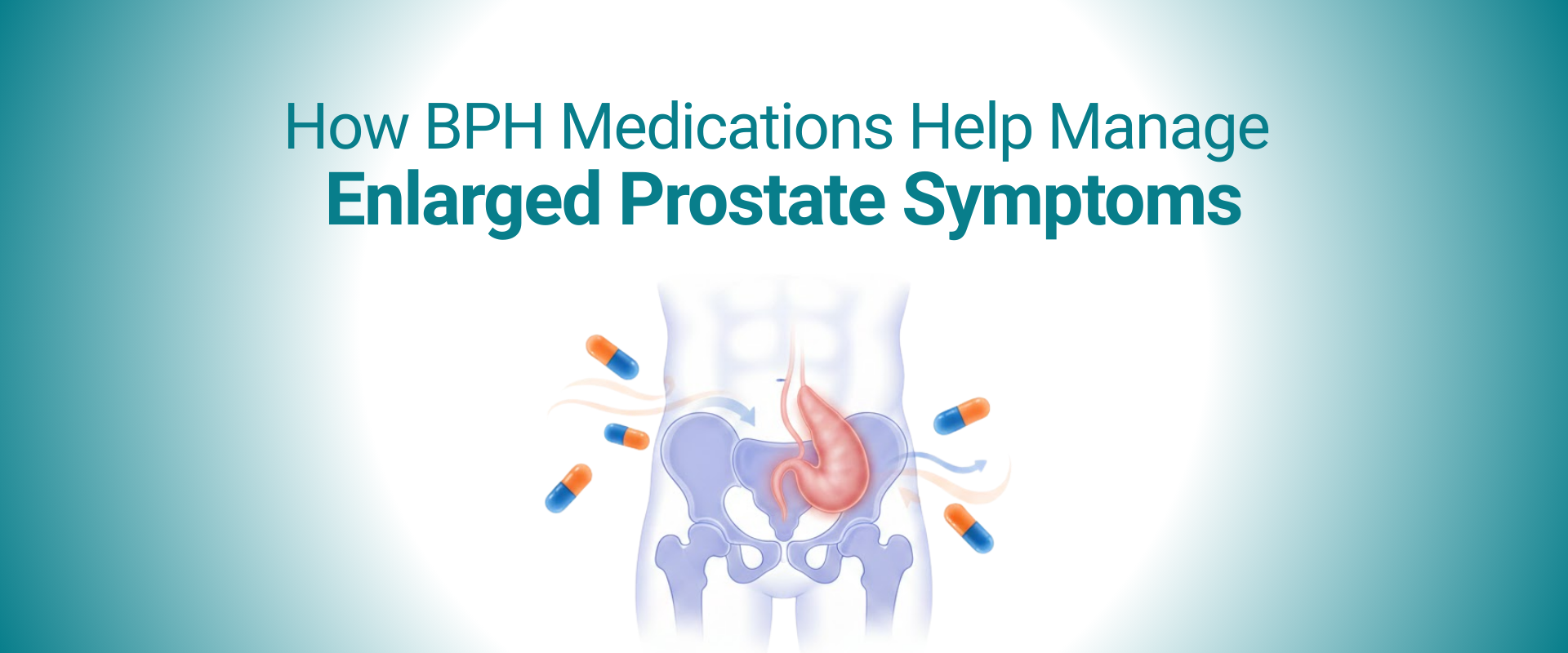
Here is the key idea: bph medications do not “cure” the condition overnight. They reduce blockage, calm the overactive urinary channel, and in some cases shrink the enlarged gland over time. For many men, the right medication plan can delay or prevent complications and help you avoid procedures.
A quick reality check on how widespread this is: evidence-based sources commonly cite that about half of men in their 50s and a much higher percentage in later decades develop BPH changes, with prevalence rising into the 70s and beyond.
First, what is actually enlarging?
The prostate is a small gland that rests between the bladder and the rectum. Many clinicians describe it as roughly walnut-shaped when younger. It surrounds the urethra, the small tube that carries urine from the body out when you pee. It is also involved in semen, helping move sperm during orgasm and ejaculate.
When the prostate grows in size, it can squeeze the urethra like a hand pinching a hose. That is why you can get a slow stream, start-stop flow, or urgency.
“Is this serious, or just annoying?”
Most cases are not dangerous, but symptoms can indicate more serious conditions (like infection, stones, or rarely prostate cancer) and they can also be “similar” across different issues. That is why we do a proper assessment instead of guessing.
Also important: BPH is not the same thing as prostate cancer, but both can be undetected in early stages. Screening decisions depend on age and risk factors. For example, shared decision-making is commonly discussed for ages 55 to 69 in many screening frameworks. Higher-risk groups (for example, Black men and those with a family history) may discuss earlier screening in some guidance, sometimes as early as 40 depending on risk level.
A simple “meds map” before we go deep
| Medication class | What it does | Best fit | Typical time to notice benefit |
|---|---|---|---|
| Alpha blockers | Relax smooth muscle around prostate and bladder neck to improve flow | Fast symptom relief, mild to moderate blockage | Often within days to 1 week |
| 5-alpha reductase inhibitors (5-ARIs) | Lower DHT hormone effect, shrink prostate over time | Larger prostates, higher progression risk | 3 to 6+ months |
| Combination therapy | Alpha blocker + 5-ARI | Both fast relief + long-term shrink | Days for flow, months for shrink |
| PDE5 inhibitor (tadalafil) | Helps urinary symptoms and may help erections | LUTS with ED, selected patients | Days to weeks |
Clinical guidelines discuss tadalafil 5 mg daily as an option for LUTS/BPH, and also emphasize selecting medications based on symptom burden and prostate size.
Symptoms of BPH
Classic Warning signs happen because the prostate surrounds the urethra and can grow into a partial blockage. That can result in early symptoms like:
- slowness of stream
- dribbling after finishing
- difficulty starting
- leaking or incontinence
- a sudden need and urgency
- waking at night to urinate
- inability to completely empty the bladder
Some men also notice discomfort like pain with ejaculating or peeing, or changes in color or smells of urine.
Why we take red flags seriously: when untreated, obstruction can create further blockage, worsen symptoms, and in some cases cause complications such as urinary tract infection (UTI), bladder stones, visible blood (hematuria), and in severe scenarios kidney damage due to backflow that increases pressure on the kidney system.
Medications for BPH
How doctors decide which medicine for enlarged prostate fits you
In real consultations, the decision is usually based on:
- symptom pattern (weak stream vs urgency and frequency)
- prostate volume (small vs larger prostates)
- PSA level and exam findings
- your priorities (sleep, work travel, sexual side effects, blood pressure issues)
The two most common medication families are:
- Alpha blockers that relax smooth muscle in the prostate and bladder neck. That reduces tension on the urethra.
- 5-ARIs that decrease production of DHT, the hormone that drives prostate growth, to slow growth and sometimes shrink the gland. They are often more beneficial for men with larger glands.
Examples you will hear in clinic
Alpha blockers (examples): tamsulosin (Flomax), terazosin (Hytrin), doxazosin (Cardura), alfuzosin (Uroxatral), silodosin (Rapaflo).
5-ARIs (examples): finasteride (Proscar), dutasteride (Avodart).
Combined option: dutasteride + tamsulosin (fixed-dose combo such as Jalyn in some markets).
One practical truth patients appreciate: some medication benefits take weeks to improve, and others take months. If you stop too early, you never see the upside.
Alpha Blockers for BPH
Alpha-blockers are widely used for benign prostatic hyperplasia with moderate symptoms. They are popular because they can improve flow fast by “loosening” the channel rather than shrinking the prostate.
How they work (plain language)
The prostate often doubles from the teens and continues through adult life. Eventually an enlarged prostate can squeeze the urethra, the small tube that transports urine from the bladder toward the penis, causing flow to be restricted. Alpha blockers reduce muscle tone so the tube opens more freely.
Selective vs nonselective alpha blockers
- Selective alpha blockers (often preferred): Flomax, Uroxatral, Rapaflo. These act more specifically on urinary tract receptors.
- Nonselective alpha blockers: Cardura, Hytrin. These can affect blood pressure elsewhere in the body more strongly.
Side effects you must know before starting
Common issues can include dizziness, headache, fatigue, dry mouth, nasal congestion, or swelling of the face, tongue, or throat (rare but urgent). Some men report diarrhea. Sexual side effects can include abnormal ejaculation, “dry orgasm,” and retrograde ejaculation where semen enters the bladder instead of releasing through the penis. Some men worry about erectile dysfunction (ED) or trouble getting or maintaining an erection. Blood pressure drops can be more common with nonselective agents like Hytrin and Cardura.
Interaction warning: always tell your doctor about prescription meds, OTC products, and supplements. This is where avoidable side effects usually come from.
5-Alpha Reductase Inhibitors
These medications block the conversion of testosterone to dihydrotestosterone (DHT). Since DHT is a key driver of prostate growth, blocking it can eventually shrink the prostate and improve urinary flow.
What patients need to understand (so they do not quit too early)
- Improvements can take months, sometimes longer.
- They tend to work best when the prostate is actually enlarged, not borderline.
Common side effects
Potential effects include erectile dysfunction (ED), reduced sex drive, decreased volume of ejaculate, ejaculation disorders (including retrograde ejaculation), and sometimes breast tenderness or enlargement. If side effects are burdensome, you discuss alternatives, dose changes, or different classes rather than “pushing through” silently.
When combination therapy makes sense
If symptoms are bothersome and the prostate is larger, doctors often recommend an alpha blocker plus a 5-ARI for both quick relief and long-term reduction in progression risk. Large clinical trials have shown benefit for combination approaches in selected patients.
Treatment Options for BPH
Benign Prostatic Hyperplasia (BPH) and enlarged prostate symptoms can significantly affect quality of life. The good news is you have a structured ladder of options:
1) Lifestyle and monitoring (when symptoms are mild)
Small changes can make a big difference: evening fluid timing, caffeine reduction, constipation management, and bladder training. This is often paired with symptom scoring (like IPSS) to track progress.
2) Medications (often first-line)
- Alpha blockers for quick symptom improvement
- 5-ARIs for longer-term prostate shrink and progression reduction
- Combination therapy for the “best of both” in the right patient
- Tadalafil 5 mg daily can be discussed as an option for LUTS/BPH, especially if ED is part of the picture, depending on your health profile.
3) Minimally invasive procedures and surgery (when meds are not enough)
If meds do not work or side effects are unacceptable, modern urology offers minimally invasive and surgical options. The right choice depends on prostate size, anatomy, and your priorities (including sexual function). Your urologist will guide you on what is realistic and safe for your case.
Medical Management of Benign Prostatic Hyperplasia
Medical management has progressed a lot, but the logic is still consistent:
- Start with accurate diagnosis (rule out infection, blood in urine causes, stones, or other problems)
- Match medication class to prostate size and symptom type
- Reassess after the correct timeframe (days for alpha blockers, months for 5-ARIs)
There is also growing discussion in reviews and guidance about additional agents for selected symptom patterns, like PDE5 inhibitors and other bladder-targeted therapies, but your “core” evidence-based foundation is still alpha blockers and 5-ARIs.
Cialis for BPH Treatment
Cialis (tadalafil) was first known for ED, but it is also used for urinary symptoms in some men with LUTS/BPH. Mechanistically, it relaxes smooth muscle and can improve urinary symptoms, and it may help sexual function at the same time for men who need both.
Critical safety note: tadalafil is not appropriate for everyone, especially if you take nitrate medications or have certain cardiovascular risks. This must be screened properly.
A practical snapshot: choosing the right “prostate medicine”
| Your main problem | What usually helps first | What helps long-term |
|---|---|---|
| Weak stream, straining, start-stop | Alpha blocker | Add 5-ARI if prostate is larger |
| Big prostate, rising risk of progression | Often combination therapy | 5-ARI backbone over time |
| Urinary symptoms + ED | Consider tadalafil in selected patients | Reassess response and tolerance |
| Side effects from one alpha blocker | Switch within class | Consider alternative class |
When to see a urologist urgently
Do not “wait it out” if you have:
- inability to pass urine
- fever, chills, or severe burning
- visible blood in urine
- severe pain, flank pain, or vomiting
These can signal serious complications that require immediate evaluation.
Final word for Dubai patients
If you are dealing with enlarged prostate symptoms, the goal is simple: get your flow, sleep, and confidence back without gambling on random supplements. A structured plan using evidence-based bph drugs can be life-changing, but only when matched to your prostate size, symptom type, and health profile.
Book an appointment with Urologic Health Dubai to review your symptoms, discuss the safest enlarged prostate medication options, and build a plan that actually fits your life.