
Are kidney stones slowing you down, and you’re wondering if laser treatment for kidney stones in Dubai is the fastest way to get real relief?
If you’ve ever felt that sharp, wave-like pain in your side or lower back, you already know kidney stones don’t politely “wait it out.” The good news is that modern urology has come a long way: today, many stones can be treated with minimally invasive laser technology that targets the stone directly, breaks it into tiny pieces, and helps you return to normal life sooner than you might expect.
In this guide from Dr. Haluk Novomed in the UAE, we’ll walk you through how laser stone treatment works, who it’s best for, what the procedure feels like, recovery timelines, and the practical questions patients in Dubai ask most, without making it overly complicated.
Understanding Kidney Stones (and Why They Hurt So Much)
Kidney stones are hard mineral deposits that form when certain substances, like calcium, oxalate, or uric acid, become concentrated in urine and crystallize. Some stones remain in the kidney and cause dull discomfort. Others move into the ureter (the narrow tube connecting the kidney to the bladder), and that’s where the classic severe pain often begins.
Common signs include:
- Sudden pain in the side, back, or lower abdomen
- Burning or pain during urination
- Blood in urine
- Nausea or vomiting
- Frequent urge to urinate
Many small stones pass naturally. But when a stone is larger, stuck, causing infection, or repeatedly triggering pain, you may need an active treatment plan.
Why Laser Is One of the Most Trusted Options Today
Laser stone treatment is typically performed using a thin scope and a laser fiber that can precisely break the stone without large incisions. In many cases, it’s recommended because it is:
- Minimally invasive (no open surgery)
- Highly effective for many stone types and sizes
- Suitable for stones lodged in the ureter or kidney
- Often associated with quicker recovery compared to older approaches
Patients also appreciate that the approach can be tailored: sometimes the stone is dusted into sand-like particles; other times it’s broken into removable fragments, depending on the situation.
Laser Surgery for Kidney Stones Dubai: How the Procedure Works

Laser treatment is commonly performed via ureteroscopy (URS) or flexible ureteroscopy (RIRS). That means your surgeon uses a small camera and specialized instruments to reach the stone through natural urinary passages, without cuts on the skin.
Here’s the process in a simple, realistic way:
1) Imaging and planning
Before treatment, your urologist confirms:
- Stone size, exact location, and density
- Your anatomy and any narrow segments
- Infection risk and urine test results
2) Anesthesia
Most laser stone procedures are done under general anesthesia, so you’re comfortable and still during delicate endoscopic work.
3) Scope-guided access
A thin scope is passed through the urethra into the bladder, then into the ureter (and sometimes into the kidney with a flexible scope). The stone is directly visualized on a high-definition camera.
4) The laser breaks the stone
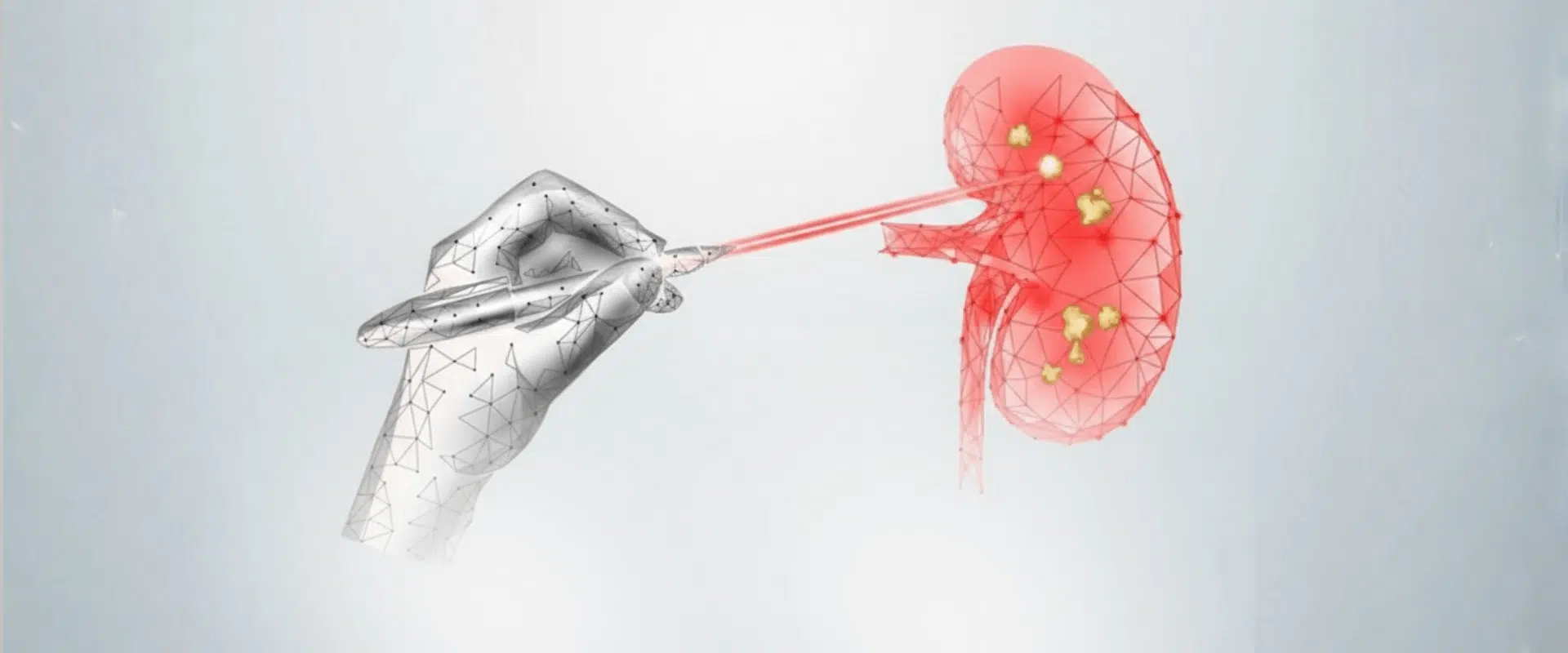
The laser fiber delivers controlled pulses to break the stone. This is called kidney stone fragmentation, and it’s one of the reasons the technique has become so popular in advanced urology settings.
5) Fragment removal (if needed) and stent placement
Depending on the stone and strategy, tiny pieces may be removed using a small basket. In many cases, a temporary ureteral stent is placed to keep urine flowing smoothly and reduce swelling. The stent is usually removed after a short period, based on your surgeon’s plan.
What You Can Expect on Treatment Day
Even if you’re confident about choosing laser, it’s normal to wonder: “What will the day actually feel like?”
A typical patient journey often looks like this:
- Arrive, check in, and meet the surgical team
- Final review of scans and consent
- Procedure performed (often within 30–90 minutes, depending on complexity)
- Recovery room monitoring as anesthesia wears off
- Same-day discharge for many patients (unless medical reasons require observation)
You may feel mild burning on urination, light blood in urine, and some pelvic discomfort especially if a stent is placed. These symptoms are common and usually temporary.
Who Is a Good Candidate for Laser Stone Treatment?
Laser treatment can be a strong option if:
- The stone is not passing naturally
- Pain is persistent or severe
- There is swelling or obstruction
- Stones are in the ureter or kidney and are accessible by scope
- You have recurring stones and want a definitive approach
Your urologist will also consider special factors such as pregnancy, bleeding risk, infection, kidney function, and prior urinary tract surgeries.
Endoscopic Laser Kidney Removal: Why “Endoscopic” Matters
The term endoscopic laser kidney removal can sound intense, but it actually highlights a key advantage: endoscopic procedures use natural pathways and specialized scopes rather than external incisions.
What does that mean for patients in practical terms:
- No surgical cuts on the abdomen
- Typically less post-procedure pain than with open techniques
- Faster return to daily routines for many cases
- Direct visualization for precise treatment
The endoscopic approach also allows your doctor to confirm stone clearance during the procedure, especially when the goal is to “dust” the stone thoroughly.
Is It Really “Pain-Free”?
Many people search for pain-free kidney stone removal, and it’s important to set expectations honestly.
During the procedure, you should not feel pain because anesthesia is used. Afterward, most patients describe discomfort rather than severe pain, and it’s usually manageable with:
- Short-term pain relief medications
- Hydration
- Medications to relax the ureter (in some cases)
If a stent is placed, you may feel urinary urgency or a dull ache in the lower abdomen or flank. This is temporary, and your doctor will guide you on what’s normal vs what needs attention.
Preparation Before the Procedure
Good preparation improves comfort and outcomes. Your care team may advise:
- Urine tests (to rule out infection)
- Blood tests and basic medical clearance
- A pause or adjustment of certain medications (especially blood thinners)
- Fasting for anesthesia
- Arranging a driver and light schedule for 24–48 hours
When to call your doctor before the procedure
Use this checklist as a quick guide (especially if symptoms change close to your appointment):
- Fever or chills
- Increasing pain that doesn’t settle
- Vomiting or inability to keep fluids down
- Burning urination with foul-smelling urine
(These can signal infection or complications that must be managed before proceeding.)
Recovery: Timeline and What to Do After?
Most patients can walk the same day and resume light activities quickly. Your exact recovery depends on stone size, location, time in procedure, and whether a stent is placed.
Typical recovery expectations:
- First 24–48 hours: mild burning, light bleeding, urinary frequency
- Days 3–7: symptoms usually improve steadily
- Stent removal: often within days to a couple of weeks, depending on the plan
- Back to routine: many patients return to work in a few days (varies by job type)
Helpful recovery tips (simple but effective)
- Drink plenty of water (unless your doctor restricts fluids)
- Take medications exactly as prescribed
- Avoid heavy lifting for a short period if advised
- Watch urine color, light pink can be normal early on
- Contact your clinic if you develop fever, severe pain, or heavy bleeding
Keeping your follow-up appointment is essential because it’s not just about feeling better it’s about confirming that the stone problem is truly resolved.
Benefits and Possible Risks
Laser stone treatment has a strong safety record when done by experienced teams, but every medical procedure carries some risk.
Benefits
- Minimally invasive approach
- High stone clearance rates for many cases
- Suitable for stones that are difficult to pass
- Can treat stones in different locations with the right scope
Possible risks (your doctor will explain what applies to you)
- Temporary blood in urine
- Infection (usually minimized with screening and antibiotics when needed)
- Ureteral swelling or irritation
- Stent-related discomfort
- Rarely, injury to the ureter requiring additional management
A tailored pre-op evaluation and careful technique significantly reduce complications.
Kidney Laser Cost in Dubai: What Influences the Price?
Patients understandably want a clear idea of kidney laser cost, but pricing can vary depending on clinical needs and hospital factors.
Common variables include:
- Stone size, number, and location
- Complexity (simple ureter stone vs kidney stones requiring flexible scope)
- Anesthesia and operating time
- Imaging, labs, and medications
- Whether a stent is required and how many follow-ups are needed
- Hospital setting and technology used
The best way to get an accurate estimate is through an in-person consultation where imaging can be reviewed, and a personalized plan can be created.
Long-Term Prevention: Avoiding Repeat Stones
Laser can solve the current stone, but prevention is how you win the long game. Depending on your stone type, your urologist may suggest:
- Increasing daily water intake
- Adjusting salt and animal protein intake
- Managing oxalate-rich foods (for certain stone types)
- Addressing uric acid levels
- Treating underlying metabolic issues
If you’ve had more than one stone episode, asking for stone analysis and/or metabolic evaluation can be extremely helpful.
Choosing the Right Care Team for Kidney Stones Treatment in Dubai
When you’re comparing options for kidney stones treatment in Dubai, look for a clinic that combines advanced technology with patient-first planning. The most valuable care is not just “a procedure”, it’s the full pathway: accurate diagnosis, the right technique for your stone type, safe anesthesia, careful post-op guidance, and prevention planning.
At Dr. Haluk Novomed, the goal is to make the experience clear, comfortable, and effective so you’re not left guessing about symptoms, recovery, or next steps.
Conclusion
For many people, the biggest surprise is how quickly they feel relief once the obstruction is addressed. If your stone isn’t passing, is repeatedly painful, or is affecting your daily life, laser treatment for kidney stones in Dubai can be a highly practical solution, especially when paired with good follow-up and prevention.
If you’ve been trying to “tough it out,” consider this your sign to get a proper evaluation. With modern endoscopic laser techniques, treatment is often more straightforward than patients imagine, and the peace of mind afterward is real.
Ready to discuss your options with a specialist? Book a consultation with Dr. Haluk Novomed today. Let’s create a personalized plan for laser treatment for kidney stones in Dubai and help you get back to feeling normal, fast.
FAQs:
How does laser treatment for kidney stones in Dubai work?
A urologist passes a small scope through the urinary tract to reach the stone, then uses a laser fiber to break it into tiny pieces (or removable fragments) so it can pass or be taken out, without any external cuts.
What is recovery like after laser treatment for kidney stones in Dubai?
Most people go home the same day; it’s common to have mild burning with urination, urinary urgency, and a little blood in the urine for a short time, especially if a stent is placed.
Will I need a stent after laser surgery for kidney stones Dubai?
Sometimes. A temporary ureteral stent may be used to keep urine flowing and help the ureter heal after ureteroscopy/laser treatment; your urologist decides based on swelling, stone size/location, and how the procedure goes.
Is kidney stone treatment in Dubai better with laser or shockwave lithotripsy?
It depends: shockwave (ESWL) is non-invasive and often used for selected smaller kidney stones, while ureteroscopy with laser is commonly chosen for stones that are harder, larger, or stuck in the ureter and may have higher stone-clearance in many cases.
How long does laser treatment for kidney stones in Dubai take?
The procedure is often around 30 minutes to 2 hours, depending on stone size/location and complexity.