
If you have ever wondered what is prostate gland, you are not alone. It is one of those body parts many men hear about only when there is a problem. In clinic conversations, I often notice the same pattern. Men usually know the word prostate, but they are not fully sure about its size, job, location, or why it can affect both urination and sexual health. That gap in understanding matters, because the prostate gland plays a real role in everyday health, fertility, and quality of life.
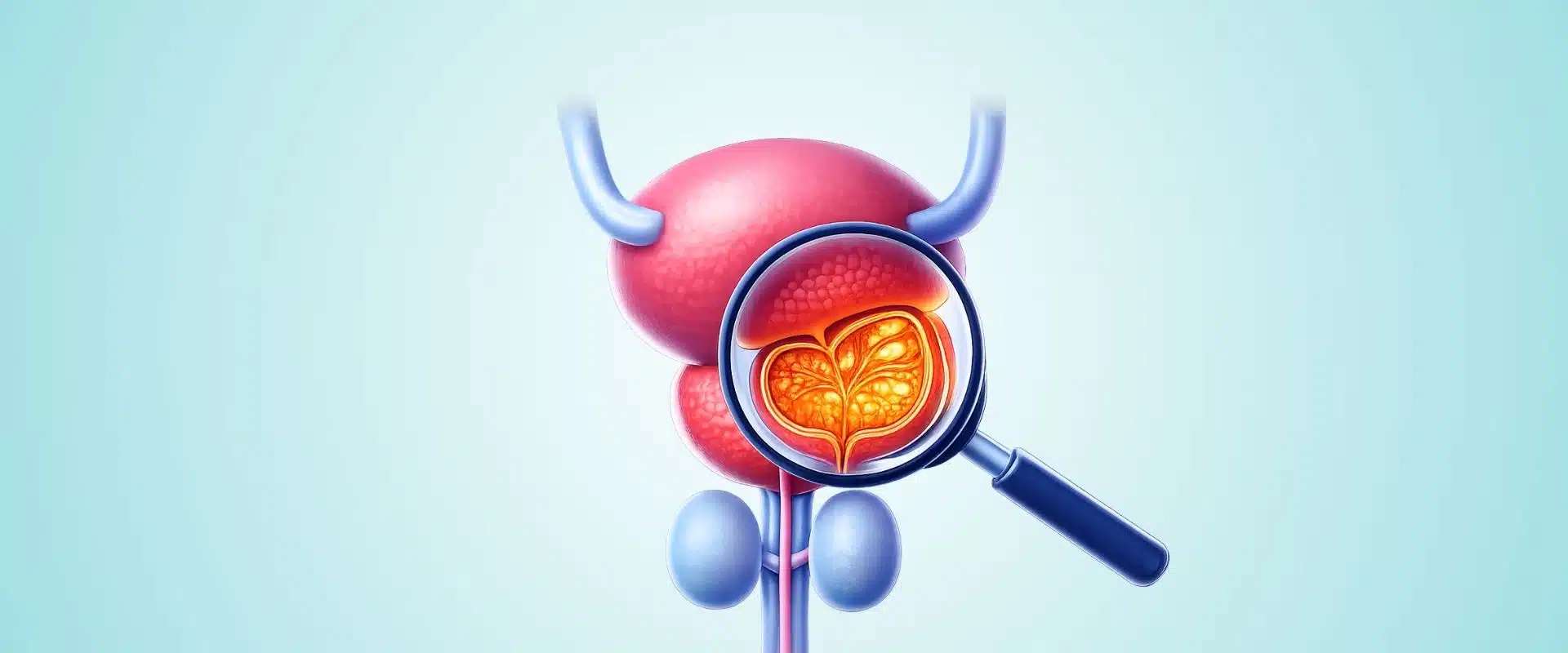
The prostate is a small, firm, partly muscular gland that belongs to the male reproductive system. It sits just below the bladder, surrounds part of the urethra, and helps produce important fluids that become part of semen. Those fluids help sperm survive, move, and travel during ejaculation. Because the gland wraps around the urethra, changes in its size can also affect how urine leaves body.
That is the simple answer. But the real value is understanding how this walnut-shaped organ works, what can go wrong, and when you should get checked.
Prostate meaning in simple words
The easiest prostate meaning is this: it is a gland in men that helps make fluid for semen and sits in a spot where it also influences urination.
A healthy prostate gland is usually about the size of a walnut in younger adults. It is often described as small, round, soft to slightly rubbery, and firm at the same time when felt during a medical exam. It is made of glandular tissues, connective tissues, and muscles. Those tissues work together to produce prostatic fluid and help with the muscular contractions that support ejaculation.
What is Prostate Gland & Where the prostate gland is located
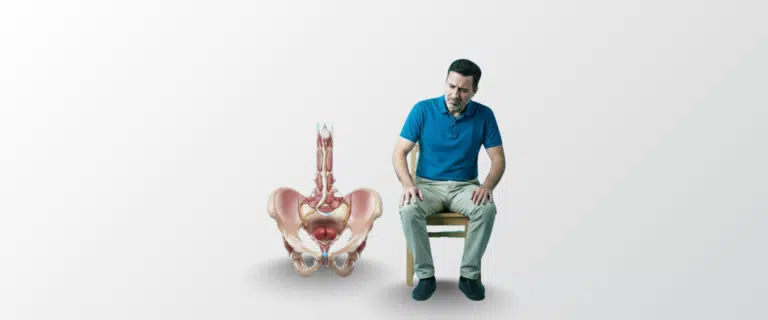
The prostate gland sits below the urinary bladder, in front of the rectum, and surrounds the upper part of the urethra. That location explains almost everything important about it.
Because it is directly under the bladder and wraps around the tube that carries urine and semen, even mild enlargement can squish, narrow, or create a kink similar to a garden hose. When that happens, men can notice slower urine flow, difficulty starting, stopping and starting again, or dribbling after they pee.
Here is a simple anatomical view:
| Structure | Relationship to the prostate |
|---|---|
| Bladder | Sits above the prostate gland |
| Urethra | Passes through the prostate |
| Rectum | Sits behind it, which is why doctors can feel it during an exam |
| Male reproductive system | The prostate gland is one of its important accessory glands |
The gland is covered by prostatic fascia, a thin, somewhat stretchy sheet of tissue that covers and holds it in place.
What the prostate gland does
The main purpose of the prostate gland is to create and release extra fluid that becomes part of semen. This fluid is not random. It contains enzymes, zinc, and citric acid, along with other components that help nourish and lubricate sperm.
In simple terms, the prostate:
- makes prostatic fluid
- adds that extra fluid to seminal fluid
- helps sperm move better
- supports ejaculation through muscular contractions
- works in coordination with other reproductive organs
During sexual climax, the muscles in and around the prostate gland push fluid into the urethra. At the same time, sperm from the testicles and fluids from other glands combine to form semen. That is why the prostate matters not only for fertility, but also for normal sexual function.
Why the prostate is so important
A lot of men assume the prostate matters only if they want children. That is too narrow. Yes, it supports fertility, but its importance is broader.
Because the prostate sits where the urinary and reproductive pathways meet, it affects:
- urine flow
- sexual comfort
- ejaculation quality
- pelvic comfort
- long-term urologic health
I have seen many men ignore mild changes in urination for months or even years because they think it is “just age.” Sometimes it is age-related enlargement. Sometimes it is inflammation. Sometimes it needs more attention. The mistake is not getting checked.
Size, shape, and how it changes with age
A normal adult prostate gland is usually about 20 to 30 grams, roughly around an ounce in younger men. With age, it often gets larger. Some people compare an enlarged gland to moving from a walnut toward a lemon in size.
Traditionally, the gland has been described in five lobes or sections such as anterior, posterior, lateral, and median parts. In modern clinical practice, doctors also talk about zones because certain diseases tend to start in certain areas.
The important point is this: enlargement with age is common, but common does not mean harmless or something you should ignore.
Does everyone have a prostate?
This is where people get confused. The true prostate gland is part of the male anatomy, but there is some discussion around Skene’s glands in females or women. These glands can release fluid and are sometimes informally called the female prostate because of some structural and functional similarities.
That does not mean women have the same prostate as men. It just means there are related glands with overlapping features involving lubrication, sex, and nearby urinary structures.
Common prostate problems men should know
Most prostate-related issues fall into three main groups.
1) Benign prostatic hyperplasia
Benign prostatic hyperplasia, or BPH, means non-cancerous enlargement of the prostate gland. As it grows, it can squish or narrow the urethra, causing urinary problems and sometimes partial blockages.
Common symptoms include:
- difficulty starting urine
- weak stream
- dribbling
- feeling the bladder is not empty
- frequent urination
- needing to wake at night, called nocturia
- sudden urges, called urinary urgency
2) Prostatitis
Prostatitis means inflammation of the prostate. It may be caused by a bacterial infection, but not always. The gland can become swollen and tender, and symptoms can be surprisingly painful.
Men may experience:
- pelvic or lower abdominal pain
- pain in the perineum
- discomfort in the genitals
- burning during urination, called dysuria
- pain while ejaculating
- painful orgasm, called dysorgasmia
3) Prostate cancer
Prostate cancer is one of the most important cancers in men. Early stages may cause no clear symptoms, which is exactly why awareness matters. As it progresses, a man may notice changes with urination or sexual function.
Possible warning signs include:
| Symptom | What it may feel like |
|---|---|
| Blood in urine | hematuria |
| Blood in semen | hematospermia |
| Weak stream | Harder to fully empty the bladder |
| Frequent urination | Especially at night |
| Pelvic pain | Pain in the area or surrounding areas |
| Sexual changes | trouble with erection or erectile dysfunction |
More advanced disease can affect bowel control, lead to fecal incontinence, worsen urinary incontinence, or cause pain beyond the pelvis.
Symptoms you should not ignore
Men often wait too long. Reach out if you have noticed:
- a change in peeing habits
- weak or interrupted flow
- difficulty starting
- dribbling
- pain in the pelvis, genitals, or perineum
- burning with urine
- blood in urine or semen
- pain during sexual intercourse
- pain with ejaculation
- ongoing urinary urgency
- waking often with nocturia
If you are turning 50, or earlier if you have a strong family history, this is the age to stop guessing and start paying attention.
How doctors check the prostate
A proper evaluation does not rely on one test alone. The right approach depends on symptoms, age, risk, and medical history.
Digital rectal exam
A prostate exam may include a digital rectal exam. In this test, the doctor inserts a finger that is lubricated into the rectum to feel the back of the prostate. Because the gland sits close to the rectum, this gives useful information about size, texture, tenderness, and suspicious firmness.
Many men worry about this more than they should. It is quick, awkward for a moment, and medically useful.
PSA blood test
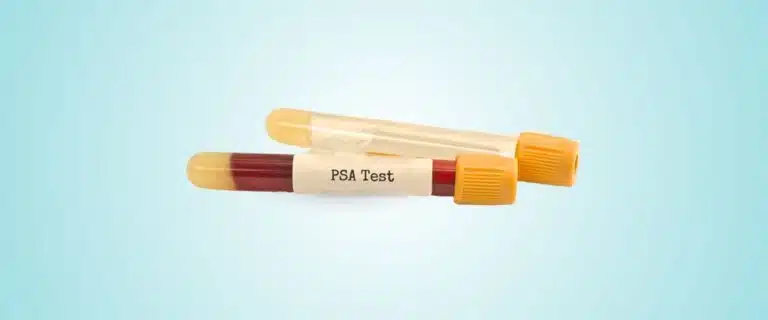
Another common tool is the prostate-specific antigen or PSA blood test. High levels can indicate a problem, but not always cancer. PSA may also rise with BPH, inflammation, infection, or even recent irritation.
Urine tests
Doctors may order pee tests, also called urinalysis, using a sample of urine to look for infection or blood.
Imaging and direct visual tests
If more detail is needed, doctors may use:
- MRI for a detailed look
- transrectal ultrasound to identify suspicious areas
- cystoscopy, where a pencil-sized, lighted tube with a camera looks inside the urethra and bladder
Biopsy
If imaging or PSA raises concern, a biopsy may be needed. This uses a needle to take tissue samples that go to the lab for examination.
Can you check your prostate yourself?
This is where bad advice spreads online. Some men ask about self-exam or prostate massage as a way to judge their health. That is not a reliable way to assess the gland.
Yes, anatomically, the prostate can be feel-able through the rectum because it sits just in front of it. It is closest a few centimeters inside, toward the front of the body. Some people describe it as feeling somewhat like the tip of the nose, with a round, slightly soft, rubbery texture. But that does not mean self-checking is medically accurate.
Trying to assess it yourself by touching outside the anus, through the skin, or by inserting fingers and trying to curl upward is not a dependable diagnostic method. It may be sexually stimulating or satisfying for some people, but it does not accurately check for disease.
If you have concerns, talk to a healthcare provider. Let a trained clinician answer your questions.
How prostate health can be maintained
Good health is not built with one test. It is maintained through consistent habits and sensible follow-up.
Daily habits that help
| Habit | Why it matters |
|---|---|
| physical activity and staying active | Supports weight control, circulation, and urinary health |
| eating healthy foods | A diet rich in fruits, veggies, and lean protein may promote better long-term health |
| Regular review of symptoms | Helps catch changes earlier |
| quitting smoking and avoiding tobacco products | Smoking may increase risk of several urologic problems |
| Staying hydrated | Helps the urinary system function better |
What about supplements?
Many men ask about vitamins and dietary supplements. Some are heavily marketed for prostate support. The hard truth is that evidence is mixed. A few products show minor benefits in some people, but that is not the same as proven treatment. Unless something has gone through strong data review, proper clinical trials, and where relevant approval by the FDA, you should be careful about trusting big claims.
Supplements are not a shortcut.
Can a man live without a prostate?
Yes, a man can live without a prostate. In some cases, surgery to remove it, called prostatectomy, is done to treat cancer or severe disease.
But removal is not trivial. Possible side effects can include urinary leakage, sexual changes, or erectile dysfunction. Some men also describe orgasm changes or less control. So while the body can survive without the gland, that does not mean it is unimportant.
When to reach out for expert help
Do not wait until symptoms become disruptive. Reach out if:
- your urination has changed
- you notice blood in urine or semen
- pelvic discomfort keeps coming back
- you have painful ejaculation
- there is a strong family history
- you are over 50 and have never discussed screening
At Urologic Health Dubai, the goal is not to scare patients. It is to replace confusion with clarity. The earlier a problem is identified, the more treatment options usually exist.
Final thoughts
So, what is prostate gland in the clearest possible terms?
It is a small, partly muscular gland in the male reproductive system that sits below the bladder, surrounds the urethra, and creates fluid that becomes part of semen. That fluid helps nourish, protect, and transport sperm, while the gland’s muscular action helps with ejaculation. Because of where it sits, it also has a major effect on urination.
That is why the prostate gland matters so much. It is not only about fertility. It is about comfort, confidence, sexual health, and long-term well-being.
If you have noticed changes in your peeing habits, are turning 50, or simply want reliable knowledge, do not ignore it. Early advice beats late regret every time.